
By Hallie J Carl
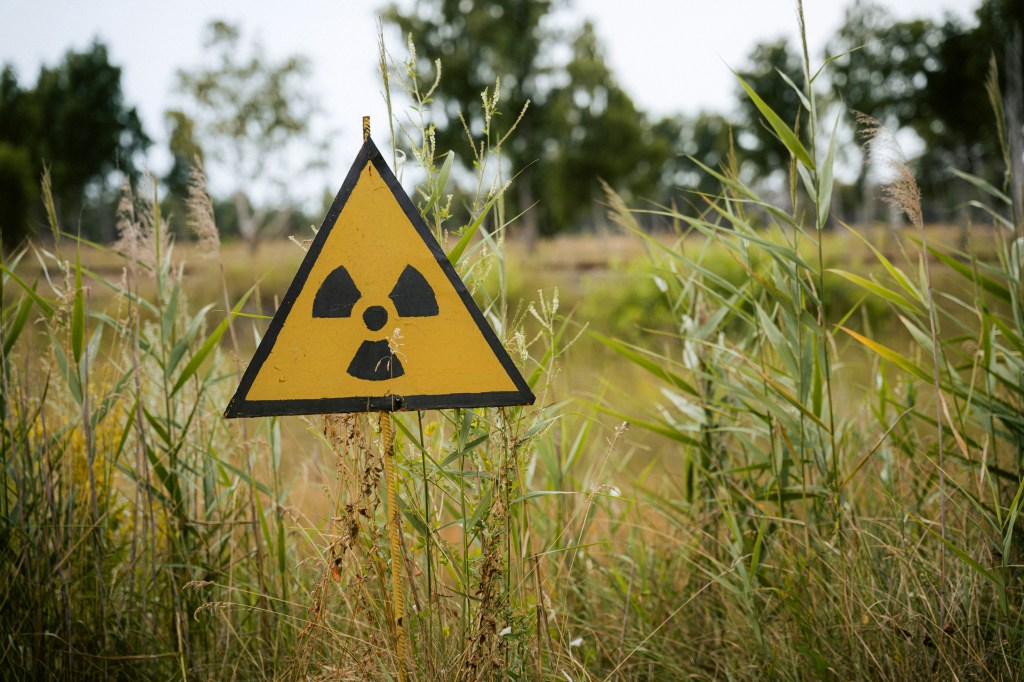
On April 26, 1986 I was a shy fourth grader with bad bangs and the smile of someone who would most certainly require orthodontia. 6000 miles away from my fourth grade woes, Reactor 4 at the Chernobyl Nuclear Power Plant in Ukraine exploded, causing the worst nuclear disaster in history.

(Above: The bangs and teeth. Also above: Reactor 4 after the explosion and fire.)
I have a very dim memory of my dad talking about it at dinner. He tends to know everything about anything. But 10 year old Hallie had no concept of where Ukraine was, what nuclear energy was, why radiation was bad and what a disaster of this caliber meant for the world.
Certainly I never imagined I would one day spend collectively a month over two summers in a small Baltic country. The Baltic countries border Russia and Belarus. From there, it is a short leap across Belarus to Ukraine. All of these countries were occupied by the Soviet Union at the time of the reactor accident. Ukraine was home to Chernobyl.

In 2020, as the world hunkered down in their homes, I was grateful for the extra time I had to read. My first COVID read was *Midnight in Chernobyl by Adam Higgenbotham. In a stunning display of exceptional research and beautiful storytelling, Higgenbotham helps you to track who all the people are, what they endured and what we have learned from this disaster. I highly recommend this book.
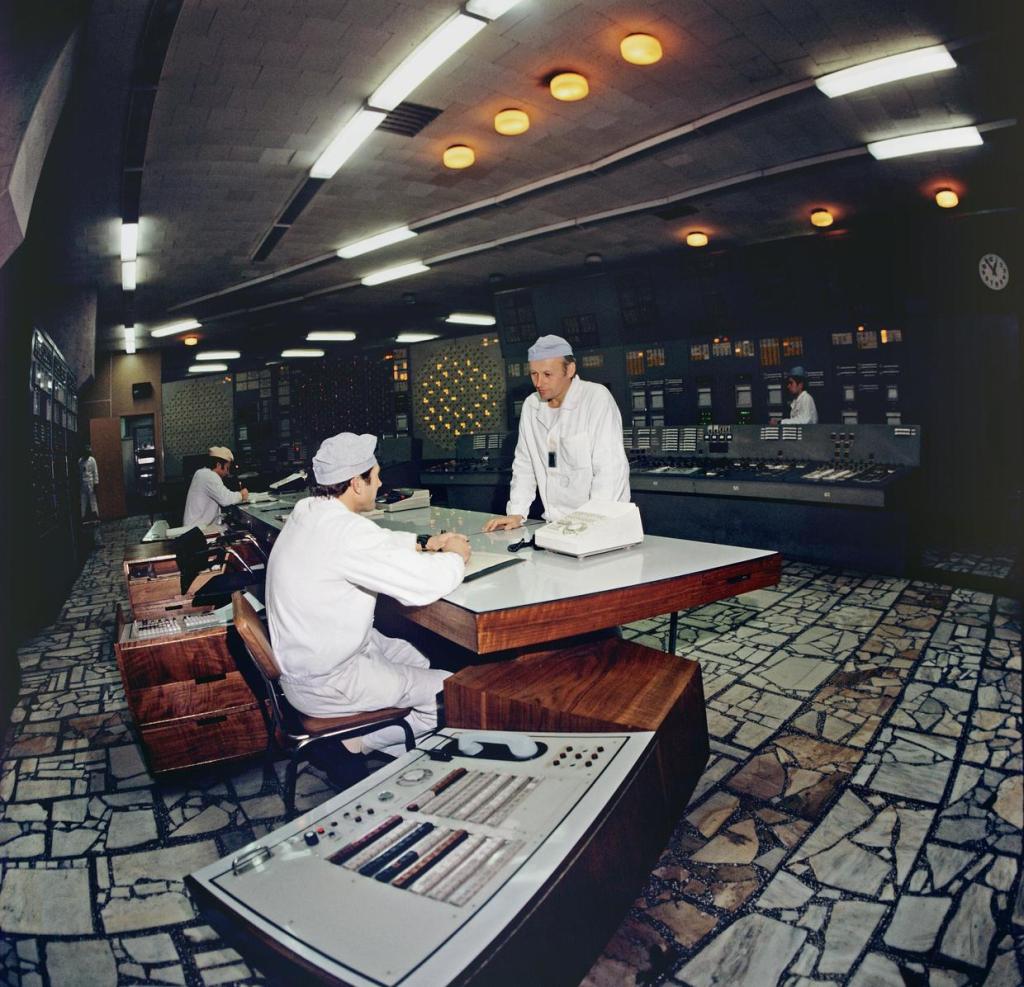
(Pictured above: The control room for Reactor 4 prior to the disaster. The room was witness to a series of horrific events that changed the course of history.)
On that fateful night on April 26, there were a series of mistakes that caused the reactor to blow. Partly due to ignorance, but mostly to do with pride, it continued to get worse and worse as inaction met the force of stubborn people unwilling to admit the reactor was on fire.
Nearby in Pripyat, the town where employees and their families lived, people stood watching the fire and smoke in the night sky. The impressive display was captivating. Assured they were safe, they watched in awe, not understanding how dangerous this light show was, even two miles away from where they stood.
Once the word evacuation was uttered as a command, all of the people in or near Chernobyl had been exposed to deadly radiation for over 36 hours.
The families of those employed at Chernobyl and people living in surrounding areas were finally loaded into buses. Eventually, the number of evacuees numbered over 120,000 people from 189 surrounding cities.
If people had stayed and lived near Chernobyl and the surrounding areas, they would suffer from radiation poisoning, cancer, and death.
They could not stay there. They had to go.

Reactor four was on fire for 10 days, with up to 30% of an estimated 190 tons of highly radioactive material releasing into the atmosphere, spreading radiation across Ukraine, USSR and Europe. Engineers and scientists worked around the clock to try to bring the situation under control.

Above: A rare aerial photo of reactor 4 after the explosion. It was incredibly dangerous to fly over it due to high levels of radiation.
While Chernobyl was the worst nuclear disaster in history* its fatalities were unhurried. When the reactor exploded, two workers were killed instantly. Twenty-eight of the firemen and emergency clean-up workers died in the first three months after the explosion. Also, in the months following the disaster, 30 more people died from acute radiation syndrome (ARS). There have been at least 1800 documented cases of thyroid cancer in children who were between 0 and 14 years of age when the accident occurred.
In the aftermath, they hired people to clean up, calling them “liquidators.” Cleanup involved decontamination, major construction projects, establishing settlements and towns for all those involved. These workers incurred the most risk of acute radiation poisoning.
One of the most lethal radioactive objects on earth is found in the remains of Reactor 4. Dubbed the Elephant’s Foot, a gigantic formation made up of uranium, sand, steel and concrete. This formation can deliver a lethal dose of radiation in less than 3 minutes.

In 1996 photographer Artur Korneyev took this photo of the Elephant’s Foot. His five minutes in its presence brought health complications for his life.
“Following the Chernobyl disaster, the most significantly affected patient group were individuals exposed to high levels of radiation, primarily the onsite workers (“liquidators”) who experienced acute radiation sickness,
Source: Generated Google AI
with symptoms like nausea, vomiting, and bone marrow suppression, leading to a significant number of deaths in the immediate aftermath;
additionally, children living in contaminated areas experienced a sharp rise in thyroid cancer due to the ingestion of radioactive iodine through contaminated food like milk, making them a key patient group for
long-term monitoring and treatment.”
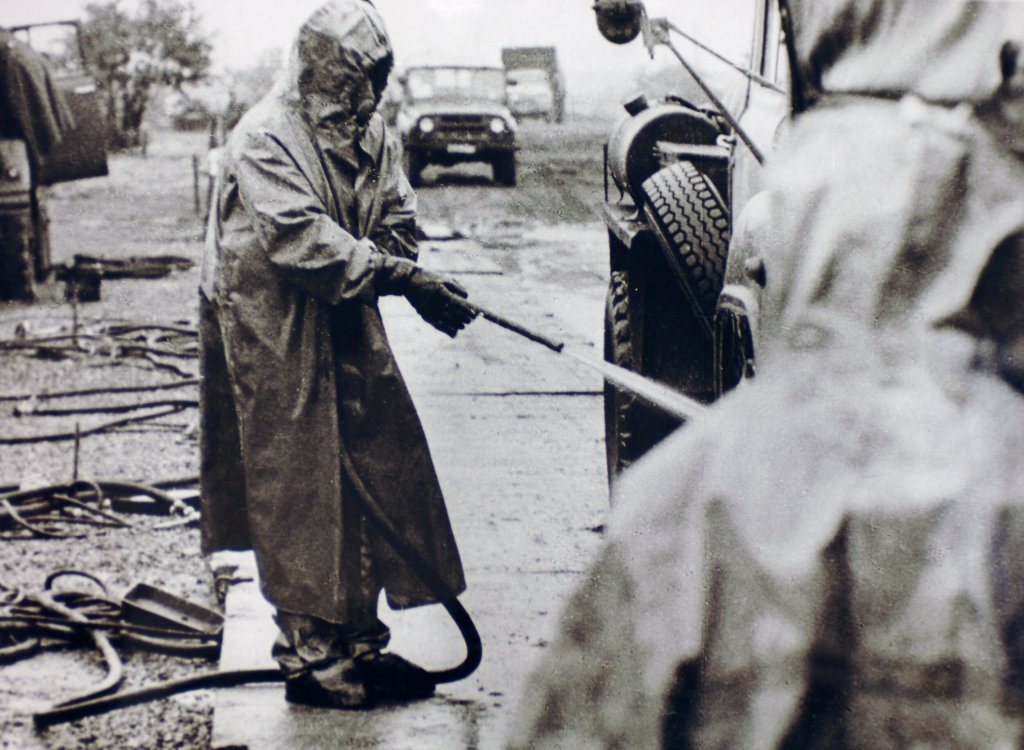
The International Atomic Energy Agency and the World Health Organization estimate that 4,000 cancer deaths may be attributable to the radiation released. A 20-year study of 110,645 workers who helped clean up found that the workers have a significantly increased risk of developing leukemia. (Source: Generated AI)
“If the fatalities of the crews that came in for clean up are added, the death toll from radiation exposure due to the Chernobyl accident eventually amounts to 50,000 to 90,000 people.” (Imanaka, Tetsuji (Kyoto University, Research Reactor Institute, Kumatori, Osaka).
Crackle Crackle
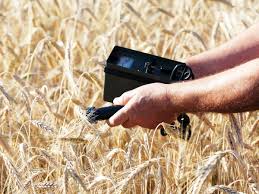
A dosimeter is a device that reads the amount of radiation present and the crackle a distinct sound as they work. Early on, the dosimeters on site at Chernobyl read 3.6 *roentgen, which was somewhat dangerous but not cause for panic. The problem was, these dosimeters were only able to read to a maximum 3.6 roentgen.
Once they used a full dosimeter, they found 20,000 roentgen per hour. This is a catastrophically large amount of radiation. For prospective, the hydrogen bombs dropped on Hiroshima and Nagasaki had a maximum of 110 roentgens.
The evacuations were mandatory. No one, apart from those working on clean up, were allowed to stay behind. Keep in mind, as people were leaving, the reactor core remained on fire and continued to spew 100 different radioactive elements into the air. The 120,000 people were moved for their own safety. No matter how much they wanted to return, to pick up family heirlooms left behind or their beloved family pet, they could not. Conditions were not going to change.
They could not stay there. They had to go.
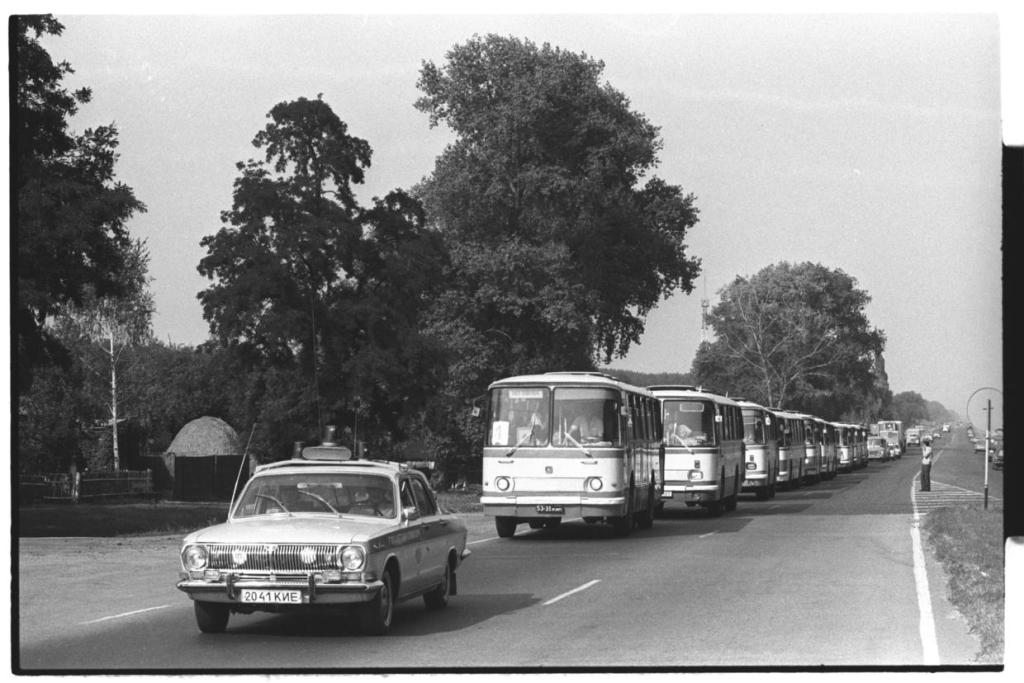
Above: The exile to safety. This bus caravan was evacuating people from the disaster site to a safe place.
Decisions
I will turn 50 years old in November. While I have faced many moments in my life where I needed to make big decisions, two years ago I faced a doozie. I had been contemplating my answer for six months. The question facing me was do I stay or do I go?
While The Clash’s 1982 hit may have popped into your mind, it was on full repeat for me. My indecision was definitely bugging me.
Thankfully, in the last month before my answer was a definitive “GO” I had a series of interactions that led to the certainty in my decision. A few choice conversations caused any fog that was causing confusion to be lifted. It wasn’t technically a nuclear reactor meltdown, but my brain and body made sure I knew I was no longer safe where I was. Thankfully leaving a pet behind wasn’t necessary!
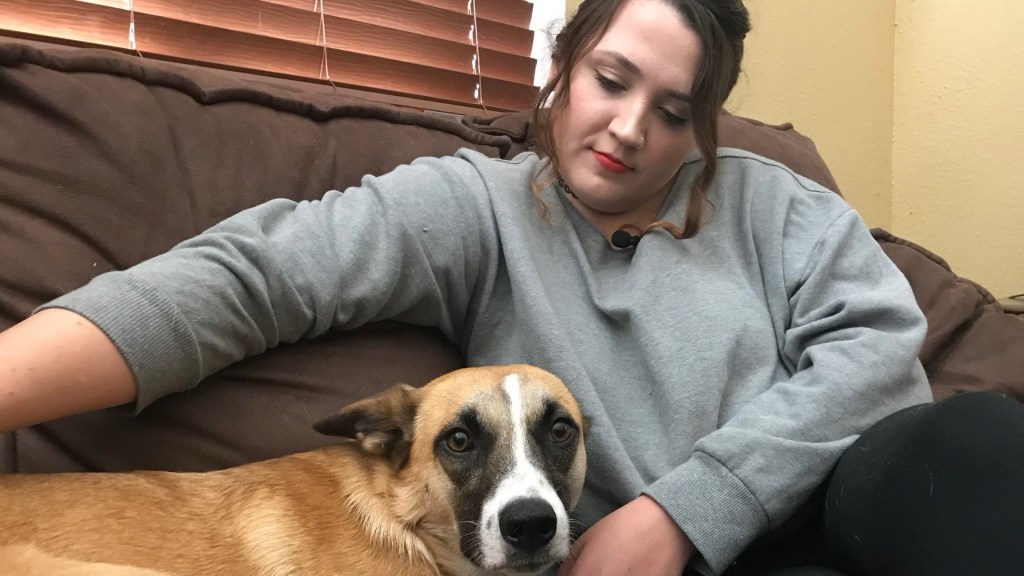
See all three of our dogs on me in the photo below.

The problem with leaving places or people, is what you move on from contains people you would miss and memories that nearly crush your heart with the pain of what once was.
I don’t think I realized until much later that something that is vitally important to me is not just feeling, but knowing that a person is for me and behind me. A voice that would correct inaccurate information if I wasn’t present for a conversation containing my situation. A person who had relentlessly let me know that I was safe with them. A empathetic heart that held my family in their life and tried to provide light, laughter and love to us at the worst time ever.
This circle of people is very small. A sacred sisterhood that don’t even all know each other. But to me, they fit perfectly into this beautiful mess that is now my life.
It was time to go.
I had been walking around with a dosimeter falsely reading 3.6 when instead, the harm that was done was much higher than I thought. Leaving my exclusion zone was the only path forward.

Above: Items left behind in an apartment in Pripyat.

Twenty four days after the disaster, construction began on a containment system for the radiation at Reactor four. Construction lasted 206, very dangerous, days. This system would only last 20-30 years.
In 2017, it was time for scientists and engineers to forge some new way to protect the world from Chernobyl. The original sarcophagus that was holding the spread of radiation at bay was nearing the end of its effectiveness. They worked tirelessly trouble shooting and working in dangerous conditions to finally put up the New Safe Confinement over reactor 4. The radiation is being held safely inside. It will keep our world safe for 100 years. Then, new scientists and engineers will design an innovative way to keep us safe for longer.
In Pripyat there is a small amusement park. Still standing is a ferris wheel and a bumper car rink that has been covered in over grown plants. A stop here to ride this ferris wheel would be uniquely dangerous. While it may look innocuous, it is not.


While it would be nice to put a giant safety confinement cover to protect myself, this of course is not possible nor healthy.
I spend a lot of my time contemplating. I have learned to not linger of “why” questions. They are unhelpful in the healing process.
My focus is set on mobilization. I have a truly wonderful therapist and I have seen her for over three years. I have a skillful and loving psychiatrist to works closely with me to ensure I am medicated correctly. I paint now. And I was delighted to learn that it relieves stress and brings much joy. I write. Not just this blog, but I am writing a historical fiction novel and have found a new love: research. Researching people and their lives is so fun for me. I have my friends. I have my family. That is mobilization. A network of ways to bring peace and healing. Steps forward, not back. Always forward.

I want to leave you with a cool fact. The radiation from Chernobyl has obvious, horrible effects on people. However, with the exception of the most fragile plants, the forest, flowers and animals have adapted. Chernobyl is home to diverse wildlife and beautiful nature. Some of the animals that have adapted include dogs (the ones left behind and their offspring), tree frogs and wolves. There is even a Red Forest, an area that has been affected by rain containing radiation and it has caused the trees to have a deep red color.
It is a curious thought to ponder the adaptations in your own life. Where have you needed to adapt to cope, survive or heal? Knowing there can be beauty in the wreckage is a hope builder.
There was a period of time that the US allowed people to adopt Chernobyl dogs. While these pups were tentative in the beginning, they built deep bonds with their new family. People they could trust to keep them safe. No more radiation, no more feral life. No, they had something much better. A new beginning. A rebirth. No longer were they labeled a Chernobyl dog. They were now members of new families.
Steps forward, not back. Always forward.

Latest Posts:
- Chernobyl, Red Forests and a Walk Forward
- Portals: A Poem
- A Family Exiled Part Two: Hope Renewed
- A Family Exiled:
- “Striving to put right what once went wrong”
Notes:
Nuclear Disasters
*https://www.history.com/news/historys-worst-nuclear-disasters
*Roentgen: a unit of exposure dose that measures x-rays or gamma rays in terms of the ions or electrons produced in dry air at 0° C and one atmosphere, equal to the amount of radiation producing one electrostatic unit of positive or negative charge per cubic centimeter of air.
Get the help you need…
*If you or a loved one is feeling suicidal or seems to be withdrawing from those who love them, help them get what they need. If you don’t live in Arizona, do some research ahead of time and keep the numbers where they can be easily found.
Call
-988 Suicide & Crisis Lifeline: Call or text 988, or chat online at 988lifeline.org. TTY users can dial 711 then 988, or use their preferred relay service
-National Substance Use and Disorder Issues Referral and Treatment Hotline: Call 1-800-662-HELP (4357
-National Sexual Assault Hotline: Call (800) 656-4673
-Crisis Intervention Team: Call 1-877-931-9142
-Mental Health America of Arizona: Call 480-982-5305
Dogs of Cherynobyl
If you’re interested in what happened to the dogs, that people were forced to leave behind see https://www.cleanfutures.org/dogs-of-chernobyl/

Recommendations:
Also, the mini-series on HBO called Chernobyl is excellent.

Storytime with Hallie
A Journey of Life, Church & More


 Storytime with Hallie
Leave a comment